What is AI Automation? A business guide
Listen to this articleTap play to start listening

Introduction: Understanding AI Automation
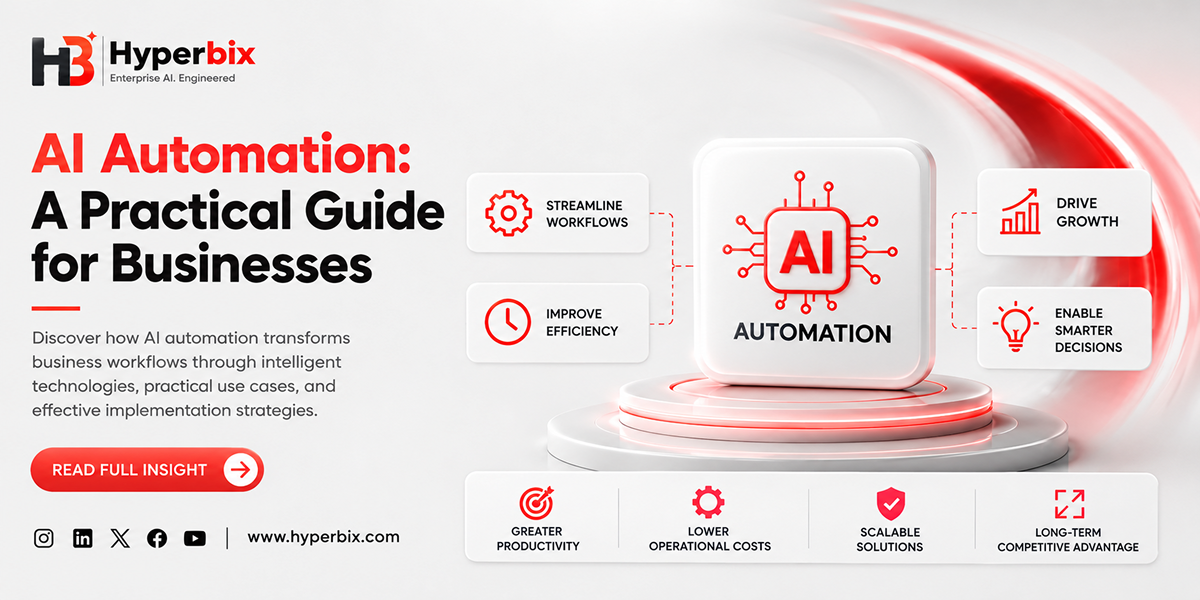
The power of artificial intelligence is replacing some of the traditional characteristics of science fiction, leaving it no longer just a futuristic concept reserved for tech giants. In the present day, AI automation is a functional and scalable feature that businesses of all scales choose to employ to streamline, lessen manual labor and speed up decisions.
AI Automation, which is the combination of AI and workflow orchestration in order to undertake activities that involve human discretion, seeks to go beyond replacement in its intentions to provide support: Allow organizations to concentrate on innovation and value creation through the removal of repetitive processes. Businesses looking to apply AI across their operations can explore custom AI solutions designed around specific business requirements.
This guide explains everything that you need to know about AI automation. It's developed for creators, operations managers, and department managers—uncovering a clear roadmap for implementing AI-driven automation effectively, ethically, and judiciously.
What Is AI Automation?
The term "AI automation" is associated with performing various processes through the usage of artificial intelligence, including algorithms of machine learning, natural language processing, and computer vision, without requiring human supervision constantly. In distinction from the scripts based on fixed rules or workflows that cannot change under any circumstances, AI automation systems analyze the situation and adapt.
Why AI Automation Matters in 2026?
The characteristics of the business in 2026 are fast, large scale, and smart decisions. Rapid responses are expected. Staff is overworked. Data is present everywhere but most chunks of data are not well structured, coherent, or utilized.
AI automates business to filter out the noise. It translates information into action. It helps to minimize errors resulted from fatigue or oversight. It delivers one important benefit in that it means that small teams can function as efficiently as larger teams.
But most importantly, AI automation has become imperative to be competitive. How companies benefit from early adoption range from improved cycle times to reducing their running expenses and even expanding their operations without having to hire more staff. Leaders who delay face the risk of a fall in innovation, customer service and productivity.
It’s not about chasing trends; it’s about focusing on practical, lasting business value. It's all about making your operation smarter, more resilient, one automated workflow at a time.
How AI Automation Differs from Traditional Automation?
Traditional automation, also known as robotic process automation or RPA handles repetitive tasks really well. It follows rules and doesn't need much thinking. For instance it can copy data from a spreadsheet into a CRM system. It can send a scheduled email. These are the types of tasks it can handle consistently with greater accuracy.
AI automation goes further. It handles ambiguity. It interprets meaning. It learns over time. Here’s how they compare:
Decision Making: Conventional automation adheres to predetermined procedures. AI automation considers the context and makes its own decisions.
Data Management: Conventional solutions require structured inputs, including databases or pre-filled forms. AI systems can deal with emails, PDF files, audio notes, photos, and free text documents.
Flexibility: Conventional automation fails in case the form changes or if a new exception arises. In contrast, AI automation adjusts.
Learning: Conventional automation remains the same until reprogrammed. In turn, AI automation learns from the experience and becomes more efficient with time.
Types of AI Automation
AI automation isn't created equal. These come in various types which work in different situations and have different levels of complexity. The 6 primary categories you need to be acquainted with are discussed below.
Rule Based Automation
This one is the basis. This is often referred to as traditional RPA, which is where it is used to automate the tasks following a specific “if this, then that” logic. Nothing being learned. No interpretation, just consistent and predictable actions.
Ideal for: Data entry, report generation, system synchronization, and form completion.
Cognitive Automation
Cognitive automation adds thinking to many parts of a text or communication. This is used to analyze languages, discover patterns, and categorize documents. The techniques used here are those of RPA and AI including machine learning and natural language processing.
Ideal for: customer service routing, document categorization, sentiment analysis, fraud detection.
Process Mining AI Automation
Here, automation is achieved through training of the AI through the behavior of the system itself. The process flows, actions of the users, and logs of the system are analyzed to create bottlenecks and inefficiencies.
Use case scenarios: Finance – end to end process with focus; Supply chain or IT – optimizing processes across entire operations.
Generative AI Automation
Generative AI isn't simply a tool for classification and decision-making, it creates. Creates emails, notes, reports, code, or visuals; and automatizes actions based on its results.
Ideal for :Content generation, staff assistants, custom marketing, code producing.
Autonomous Agent Automation
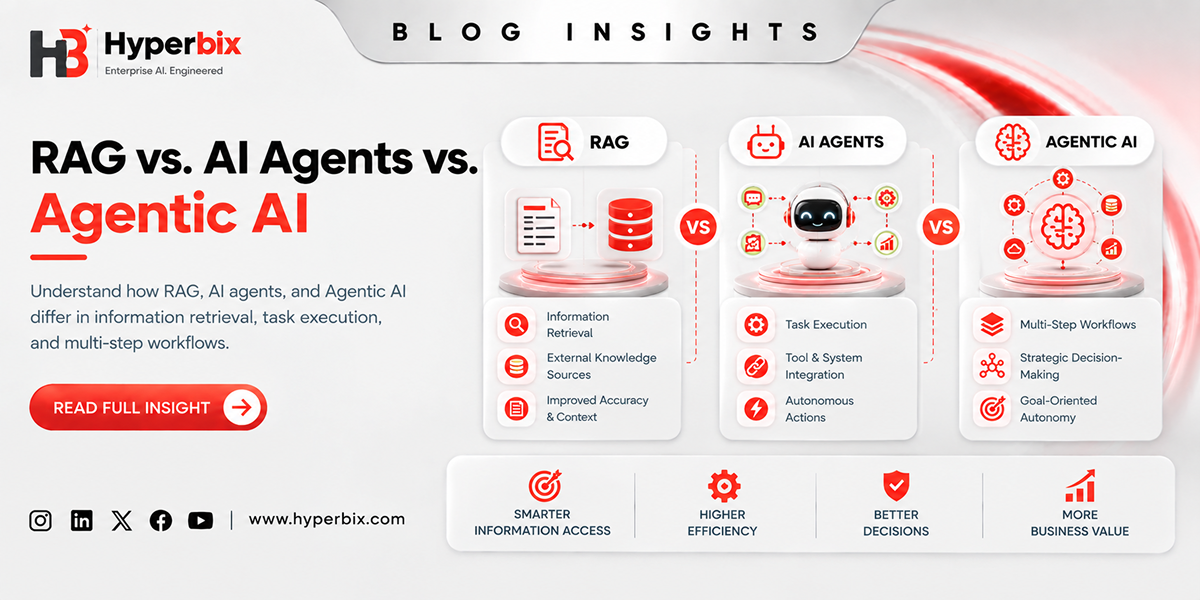
Also known as agentic AI, this approach can manage complex, multi-step tasks with greater autonomy. These systems can automate, execute and navigate complex workflows with little or no human intervention. They appear as digital staff – creating objectives, applying instruments and working with guy or agents. They even work together with humans or different agents.
Ideal for: Complex workflows such as on-boarding end to end customers, re-balancing supply chain or dynamic pricing.
Hyper Automation
Hyper automation is not a single tool, it’s a strategy. It will integrate and integrate several technologies (RPA, AI-powered, process mining, low code platforms and more) in order to automate as much business and IT processes as it can.
Ideal for: Enterprise level digital transformation.
Core Components of AI Automation
The automation solutions offered through AI use different components and technologies. Knowing what they are will help you to select the right tool for your processes.
Machine Learning
Machine learning enables systems to learn from data, identify patterns, and improve their performance without requiring explicit instructions for every task. It is used for predictions, classifications and recommendations. Such as predicting sales, identifying outliers or lead scoring.
Natural Language Processing
NLP or natural language processing makes it possible for AI to process natural language. This is what gives the ability to an AI system to be able to read, summarize, answer or transcribe.
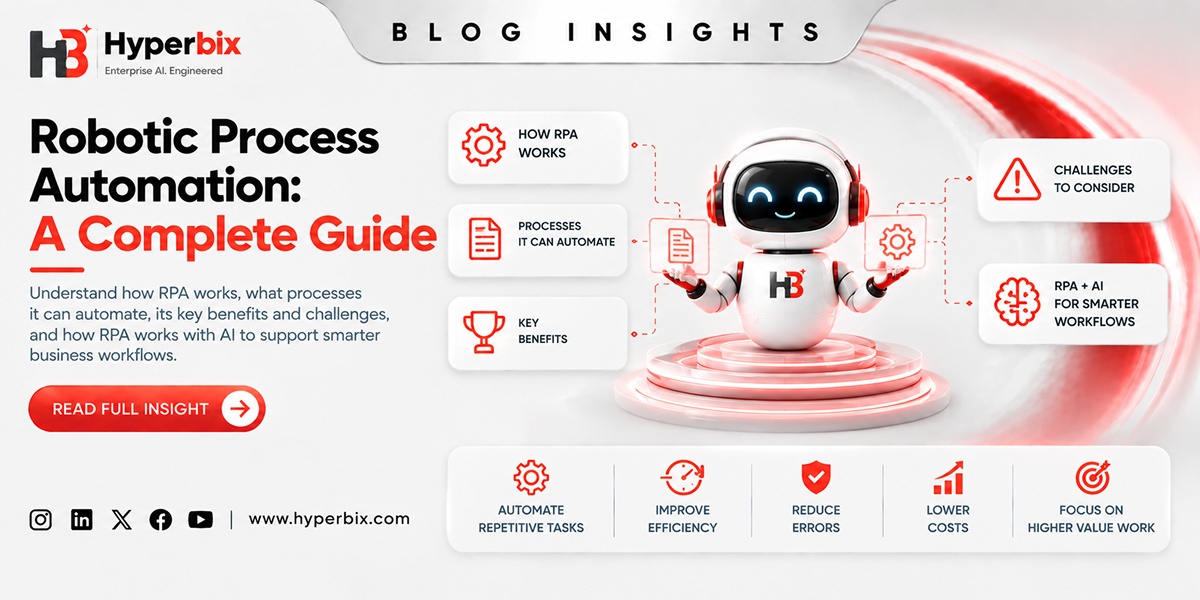
Robotic Process Automation
RPA handles rule based tasks across applications. When integrated with AI, automation can handle tasks that require data analysis, pattern recognition, and intelligent decision-making. Capable of handling semi structured data and making simple decisions.
Computer Vision
Computer vision enables AI to interpret information. Like reading scanned invoices inspecting products for defects or verifying identities from photos.
Generative AI
Generative AI creates content. Text, images, code or audio. Generative AI development helps businesses build tailored AI solutions that can create and process this content based on specific business requirements. In AI automation, it can help draft communications, generate reports, personalize messages, and even create SQL queries from natural-language instructions.
Key Benefits of AI Automation for Businesses
Implementing AI automation is not about saving time. It is about transforming how your business processes operate and deliver value.
Increased Efficiency and Productivity: The application of AI Automation in performing routine activities is much faster and with high accuracy than when performed by a human being. Therefore, your employees will be free to engage in other more complex tasks such as strategy formulation and relationship management.
Cost Saving and Return on Investment: As a result of saving time in performing work and avoiding unnecessary procedures, AI Automation cuts down costs. Actually, most businesses achieve cost saving in months, especially in areas such as customer service, finance, and human resources.
Improved Decision Making: The application of AI Automation in performing routine tasks is rapid and accurate as compared to when performed by a human being. In this way, your employees will have more time to do other complicated tasks such as planning and relationship management.
Improved Customer Experience: Customers want service, personal touches and consistency. AI automation gives all of these. From chatbot replies to personalized product ideas to early warnings about problems. The outcome is customers, more loyalty and more value over time.
Flexibility: As your business expands your work processes grow too. AI automation grows with you. Managing work without needing more people or more money. It also changes when needed making your operations stronger.
Risk Mitigation and Compliance: AI can watch transactions point out activity check that papers follow rules and keep records. Makes governance better. Especially in areas, like banking and medical care where rules are strict.
Real World Examples of AI Automation Across Industries
This is not an abstract idea; this is the reality happening now. The examples below highlight practical ways businesses can use AI to streamline operations and improve everyday workflows.
Finance and Accounting
* Automated extraction of data from invoices and receipts and comparing them with purchase orders.
* Bank statement reconciliation and expense categorization without any need of manual entry.
* Identification of fraudulent activity based on the analysis of the spending pattern in real-time.
Healthcare
* Automatically summarizing patient visit notes and assisting with the completion of electronic health records.
* Scheduling appointments for patients after their treatment according to their availability.
* For customer-facing and support workflows, AI chatbot development can help businesses automate conversations, answer routine questions, and route more complex requests to the right team.
Manufacturing & Logistics
* Prevent breakdown of machines through sensors and machine learning.
* Leverage computer vision for examining products to detect defects.
* Determine the best route for product delivery taking into account the prevailing traffic and weather.
Human Resources
* Filter out candidate resumes based on qualifications needed for the role and previous experience.
* Leverage chatbots for assisting employees in the onboarding process.
* Data analytics to resolve employee satisfaction survey problems.
Marketing and Sales
* Grade leads by their potential of becoming customers.
* Create email sequences customized for each customer segment.
* Write social media posts, ads, or even blog posts based on simple prompts.
How to Implement AI Automation: A Practical Business Guide
AI automation starts from the process, from reliable data, from technology and from human control over the whole procedure. Take into account six following points to implement the plan of automation.
Identify Valuable Processes - It is important to detect processes which take lots of time, make lots of mistakes and involve lots of data. Start from one process not all at once.
Evaluate Data Readiness - Verify the quality, availability and accessibility of the needed data for your process. It should be resolved before the start of any actions.
Choose the Correct Technology - Choose either AI, RPA, AI agents or Workflow Automation based on the specific requirements of the process you are trying to automate. Consider the issues related to integration and others.
Involve the Appropriate Teams - Involve the business operations, IT teams, security team, compliance team and end users, if appropriate. They can give their views regarding the workflow needs and the areas where human intervention is required.
Test and Measure - Test the automation solution on a smaller scale before implementing it in a large scale. The metrics that need to be included are accuracy, speed, manual effort, user adoption and business impact. Refine the design of the workflow using the results from this measure.
Govern at Scale - Once the automation solution is scaled, have policies for data access, AI-based decisions, human intervention, oversight and escalation. Constantly evaluate the performance of the solution.
Common Challenges of AI Automation
Quality of Data and Data Integration Issues: For the process of AI automation to be successful, high-quality and easy-to-access data is needed. The quality, consistency, and completeness of the data can impact the success of AI automation.
Change Management and Staff Resistance: Staff members may feel threatened by the impact of the AI automation system on their positions. Resistance to new technologies will make the implementation of automation in business more difficult.
Data Privacy and Security Issues: Using the AI automation system, sensitive information related to the business operations, its customers, or employees is processed. This causes worries about data protection issues.
Over-Automation and Dehumanization: There are risks of dehumanization of customer-oriented processes due to excessive automation of work activities.
AI Automation Best Practices for Long Term Success
Implementing AI automation is only step one. Sustaining its value requires discipline, governance, and alignment with business goals.
Start Small, Think Big
Begin with a single, high impact workflow. Prove value quickly. Then expand deliberately. Big transformations are built from small, successful pilots.
Prioritize Human in the Loop Design
Do not remove people from decisions completely especially when the decisions involve customer experience, regulatory issues or brand reputation. Build processes where AI handles the execution while people manage exception handling, strategy and empathy.
Measure, audit and iterate.
AI models can drift. Workflows can break. Set up regular reviews. Track performance metrics. Gather user feedback. Treat automation as a living system, not a set it and forget it tool.
Align with Business KPIs
Everything about automation must somehow link to a business objective – whether it is lower cost per transaction, higher customer satisfaction, or faster revenue cycle times.
AI Automation: Emerging Trends Shaping the Future
AI automation is changing fast. These trends are helping businesses streamline operations, make smarter decisions, and unlock new opportunities with AI. Here are four big trends that are driving the wave of change.
Autonomous Agents and Agentic Workflows
These AI agents will take on tasks from start to finish. They plan, take action, and adapt independently. They don’t need help from people. You can think of them as workers who work alongside humans and other systems.
Hyper Personalization at Scale
AI will let companies give each customer something like personalized product suggestions or custom service replies. Without needing someone to do it by hand. This kind of one-to-one experience will become normal for everyone.
AI Native Business Models
Some new companies will be built completely around AI. It won’t be a side feature. Traditional businesses will have to keep up. They may fall behind.
Regulatory Evolution and Ethical AI Frameworks
Rules about how AI works are starting to come into place. Governments and industry groups are setting standards, for fairness, transparency and accountability. Companies that follow practices early will earn trust and avoid trouble.
Conclusion: Taking Your First Step Toward AI Powered Operations
AI automation is now a fundamental part of modern businesses. Helping to make things faster reduce the amount of work people do by hand and make better decisions by using smart ways to handle tasks.
Starting does not have to cause problems. Beginning with one process that is clearly defined helps companies see what happens make things better and grow with confidence. Being successful is not about getting everything the first time but about making steady and clear improvements.
With a clear understanding of the fundamentals, different approaches, and best practices, businesses can implement AI automation effectively and strategically. Making work easier, without losing control or the important role people play.
Blog FAQs
Frequently Asked
Questions
AI automation is an approach to use artificial intelligence and workflow automation to conduct analyses, make interpretations, or decisions. This type of automation can deal with data as well as adjust to changing environments with minimum human control.
Traditional automation operates according to predetermined rules, but AI automation can understand context and process unstructured information. In addition, it can learn from experience and improve itself.
Main technologies for this purpose include machine learning, natural language processing, RPA, computer vision, and generative AI. All these technologies are needed to conduct various types of automation tasks.
With the help of AI automation, companies can become more efficient, make better decisions, provide customers with positive experience, and avoid performing routine tasks manually.
AI automation can be used for various purposes: from invoice processing to helping patients' records, fraud detection, lead scoring, onboarding of employees, and content generation.
RPA deals with rule-based tasks in different applications and systems. In combination with AI, it can work with semi-structured data and analyze and make decisions about simple tasks.
Companies can start with choosing a valuable process, assessing the availability of data, and choosing appropriate technology. A small pilot can be implemented, measured, refined, and scaled under proper governance.
The typical difficulties include poor data quality, integration problems, employees' objections, privacy risks, and over-automation. They can be overcome by effective data handling, involving employees, using controls, and overseeing.
Yes. Human oversight is particularly important when it comes to making difficult decisions related to clients, compliance, security, and company's reputation.
The future trends will include autonomous agents, agentic workflows, hyper-personalization, AI-native business models, and changes in AI governance. They will extend the role of AI in business operations.